The Build vs. Buy Inflection Point: Owning Capability

Executive Dinner

July 23, 2026 - Chicago, IL

Visionaries

Bri Badje Collabera
Bri Badje

Managing Director - Global Capabilities

Collabera

About Me

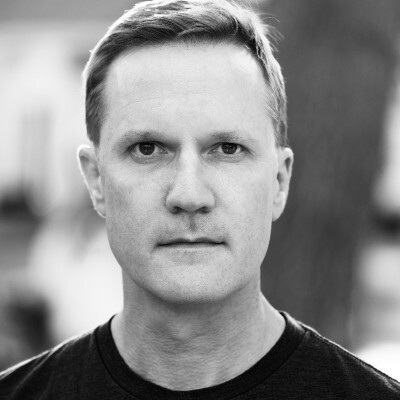
Bri Badje is a Managing Director at Collabera, where she leads strategic growth initiatives across North America. With over a decade of experience partnering with enterprise organizations, she specializes in building scalable talent solutions that align with long-term business objectives. Bri is actively focused on helping organizations design and implement Global Capability Centers (GCCs) as a lever for innovation, cost optimization, and sustainable growth.

Srinivas Sampath
Srinivas Sampath

Executive Strategic Advisor

Independent

About Me

Srinivas Sampath (Srini) is a seasoned GCC leader with nearly three decades of experience building, scaling, and transforming global technology and product organizations. Known for shaping high-performance cultures and enabling GCCs to evolve from execution centers into true business enablers, he brings deep expertise in organizational design, governance, and cross-functional leadership. Currently, Srini is Vice President – R&D and Site Leader at Upland India, where he built and scaled a fully remote GCC supporting multiple products across the full SDLC. A recipient of the GCC Leader of the Year – R&D and Site Leadership award, Srini brings a unique blend of technical depth, strategic thinking, and people-centric leadership. Outside the workplace, Srini is a co-host of the PIVOT podcast, where he shares practical insights on purpose-driven leadership, innovation, and transformation for technology professionals. He is also a co-founder of Sowkhyam, a holistic wellness initiative with his wife Padma that blends yoga, sound healing, and nature-led experiences—reflecting his belief that sustainable high performance is best achieved when anchored in balance, mindfulness, and everyday well-being.

Ramaswamy Narayanan
Ramaswamy Narayanan

Executive Strategic Advisor

Independent

About Me

Ramaswamy Narayanan is the Founder & CEO of Bridgepath Innovations, a practitioner-led strategic advisory firm focused exclusively on helping enterprises design, build, scale, transform, and optimize Global Capability Centers (GCCs). With nearly three decades of experience in technology, enterprise transformation, and global operations, he brings deep practitioner expertise in building and scaling global capability models, operating transformation programs, and driving business outcomes across multinational enterprises. Over the course of his career, Ramaswamy has held leadership roles across global organizations including IBM, Otis Elevator Company, RTX (formerly United Technologies Corporation), Medtronic, and 3M, where he worked extensively across technology, global operations, capability center strategy, sourcing, and enterprise transformation. His experience spans partnering with global leadership teams to establish and evolve GCCs, redesign operating models, strengthen governance, optimize sourcing strategies, and enable large-scale business and technology change. Recognized for his practitioner-led perspective and hands-on execution experience, Ramaswamy advises CXOs, boards, and GCC leaders on strategy, setup, scaling, transformation, and value realization. He is also a respected thought leader, author, and speaker on the future of Global Capability Centers and their role in driving enterprise growth, innovation, resilience, and competitive advantage.

Steve Zalewski Levi Strauss & Company
Steve Zalewski

Former CISO

Levi Strauss & Company

About Me

Steve Zalewski is a cybersecurity executive and advisor with extensive experience providing retained CISO, security consulting, and advisory services across healthcare, utilities, and international retail sectors. He serves as a virtual CISO for organizations needing part-time or interim leadership, advises venture capital firms and early-stage security startups, and delivers international cybersecurity training. Steve’s expertise spans enterprise security strategy, incident response, risk and compliance management, security program design, and board-level governance. He is the former CISO at Levi Strauss & Co and has held senior security roles at Pacific Gas & Electric and Kaiser Permanente, as well as engineering leadership positions in storage networks and enterprise operating systems. He holds multiple patents, CISSP, CISM, and CRISC certifications, co-hosts the CISOSeries Defense-in-Depth Podcast, and frequently speaks at industry events.

Upcoming events

Agenda

All times Central Time

5:30 PM - 9:00 PM

The Build vs. Buy Inflection Point: Owning Capability

You either own it or you pay for it forever.

The organizations pulling ahead are asking a harder question: what do we need to own versus what can we keep paying someone else to do for us?

The answer matters now more than it did two years ago. The rise of enterprise AI has changed the calculus entirely. The companies building proprietary data infrastructure, training models on their own operational data, and embedding intelligence into how they work are compounding an advantage that cannot be replicated by buying a vendor's platform. You cannot outsource your way to that outcome.

At the same time, the outsourcing models that absorbed cost and capacity pressures for the last two decades are showing their limits — in control, in quality, in the ability to retain institutional knowledge, and in the speed required to move when AI is compressing timelines that used to give leadership teams room to deliberate.

Global Capability Centers (GCC’s) are how the smartest organizations are solving this. Not as offshore cost centers. As owned capability platforms where they concentrate specialized talent, build proprietary processes, and run the programmes — including AI — that directly shape competitive outcomes.

This Roundtable answers three questions:

  1. How do you know when it is time to stop buying capability and start owning it — especially as AI makes the cost of not owning higher every quarter?
  2. How do you make that case internally — CTO/CIO to your CEO, CEO to your board — when the default answer is still "find a vendor"?
  3. What do the first 90 days look like, and what do leaders who have done this wish they had known before they started?

The conversation is peer-level. Direct. Grounded in real decisions, not frameworks. Leaders who have navigated this choice in both directions will share what worked, what failed, and what they would do differently.

You should leave with one thing: a sharper answer to the question your leadership team will ask you.

"Why this, why now, and why us?"


Together With